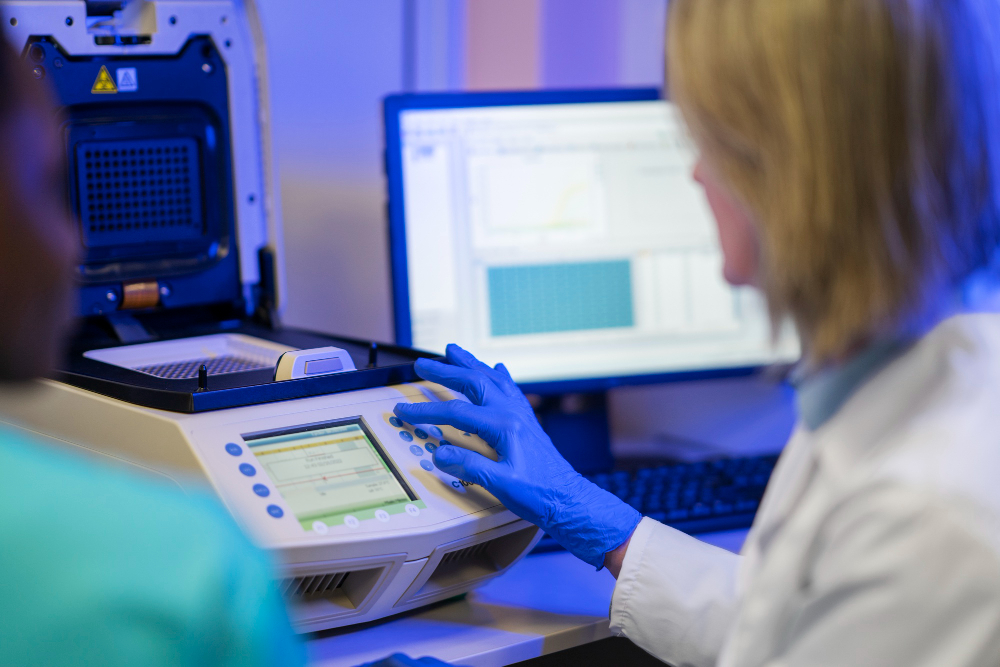
The present healthcare system, which follows strict regulations, depends on medical device printing to maintain safety and compliance while enhancing product usability. The printed markings on surgical instruments and diagnostic equipment must match exactly to maintain visibility throughout the products’ lifespans. The design elements exceed their visual purpose by providing essential functions that establish product traceability and build patient confidence.
Manufacturers depend on high-precision printing methods that enable them to preserve logos, instructions, scales, and identifiers throughout sterilization, handling, and multiple uses. Medical brands should select appropriate medical printing services that enable them to comply with industry regulations while maintaining consistent quality throughout their manufacturing operations.
Why Medical Device Printing Demands Accuracy
Medical devices require printed components that display permanent, visible information, as they operate in environments that require those qualities. The printed markings need to endure chemicals, abrasion, and multiple cleaning processes while maintaining their original appearance.
High-quality medical device printing ensures:
- Clear product identification and branding
- Accurate measurement indicators and instructions
- Long-term legibility under clinical conditions
Printing errors result in two major problems: compliance issues and reduced product usability. Precision-focused techniques are necessary for manufacturers seeking dependable results from tests on plastics, metals, and complex surfaces.
Pad Printing Medical Devices with Consistency
The process of pad printing medical devices demonstrates its value because it can print on various surface types which include both curved and textured and uneven surfaces. The process enables precise ink transfer, making it suitable for printing minuscule parts and complex medical manufacturing designs.
Pad printing provides consistent ink distribution together with distinct visual elements, which traditional printing methods fail to achieve because they damage delicate materials. The system works with a complete range of medical-grade inks which provide durability for medical applications while keeping markings intact through multiple sterilization processes.
The main benefits of pad printing include:
- The system produces accurate results when printing tiny parts and intricate designs
- The printed material shows strong resistance to ink loss, which provides long-lasting protection
- The system works with multiple medical materials
- The process delivers dependable results during large-scale manufacturing runs
Medical printing services trust pad printing because it offers flexible printing options and precise control.
Choosing Reliable Medical Printing Services
Medical printing services are not suitable for regulated industries because not all printing services meet these specific requirements. Medical manufacturers must work with partners who understand compliance requirements, material limitations, and quality control expectations.
Printing partners who operate their businesses with established procedures need to present their work in controlled environments that ensure consistent results through their specialized print operations. The process guarantees that all medical products delivered through printing technology will achieve their intended functions while maintaining full compliance with security measures and company requirements.
Precision Medical Printing with Pad Print USA
Pad Print USA provides medical device printing solutions that deliver precise, durable, and consistent results across all healthcare applications. The team provides manufacturers with medical device printing services through their advanced pad printing capabilities, enabling them to deliver dependable, high-quality results for various medical components.
Get Started with Expert Medical Printing
Do you need a certified medical printing service that meets your industry requirements? Connect with Pad Print USA today and bring precision to every printed medical device.