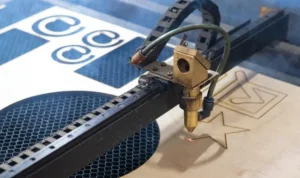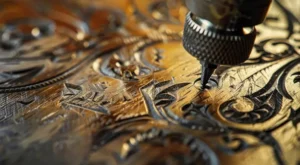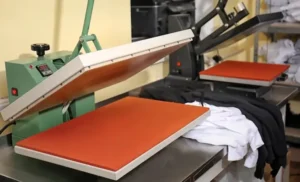
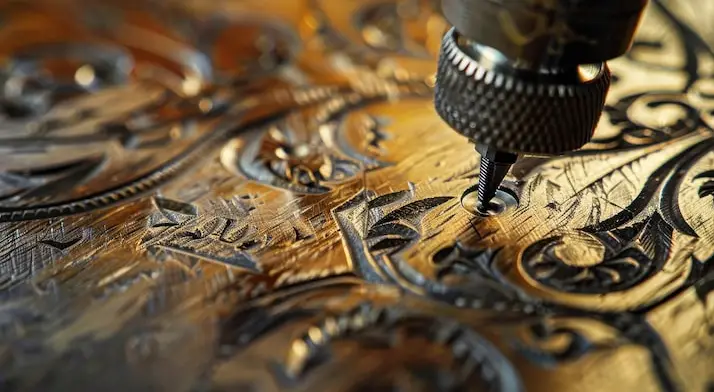
Sometimes it is required that industrial products be printed with a metal component for marking before packaging, which will be lost after packaging. Logos, serial numbers, and identification graphics are often needed on hard surfaces of machinery, electronics, and equipment.
At the same time, tools, hardware, and mechanical components made from stronger alloys cannot be printed using ordinary methods. Therefore, in processes such as printing on brass and stainless steel, manufacturers can mark intricate details on surfaces that are expected to last long.
When Metal Becomes the Surface for Branding
Several industrial goods have metal components that require visible markers. Most equipment labels, calibration scales, and logos are applied directly on the part, not on a detachable label or tag.
Graphics can be printed on electronic housings or other lightweight structures, and special gears can be printed in aluminum. There’s also printing on stainless steel, which accommodates the persistent markings on parts used in industrial settings, or on brass.
Industrial Products Where Metal Printing Matters
Metal printing is widely used in manufacturing applications where both durability and identity are of paramount importance.
Common applications include:
- Mechanical tools and equipment components
- Electronic housings and metal panels
- Industrial control parts and identification plates
- Branded metal accessories used in manufacturing
To keep markings clear in challenging conditions, manufacturers create durable imprints on steel or brass.
Adapting Printing Processes to Different Metal Alloys
Each metal has distinct printing features, so specialized methods are required for each material type. Printing on aluminum is appropriate when complete visibility is required, and minimal surface change is intended, because it has a lighter, finer surface that demands very precise ink application.
On the contrary, there are more issues when particular alloys are reinforced and embedded. Stainless steel printing and brass printing. Strong metals have adherent, coordinated coatings that do not alter the metallic surface finish.
Production Elements That Influence Metal Surface Printing
To achieve smooth results on metal surfaces, all production constraints are guided by the need for durability and coating clarity.
Important factors include:
- Surface preparation before printing begins
- Ink compatibility with the specific alloy
- Precision alignment for technical markings
- Consistency across large manufacturing batches
When managed correctly, processes such as printing on aluminum, brass, and stainless steel deliver consistent results across various industrial production environments.
Metal Printing as Part of Industrial Product Identity
For many manufacturers, the identity of their products is closely tied to the markings on metal components. Brands, model numbers, and technical signs can stand out long after the factory floor. It is now possible to print on aluminium, stainless steel, and brass, creating a brand measure in the product’s design.
This helps with traceability while ensuring a metal component maintains a consistent, professional appearance throughout its lifecycle.
Precision Printing Solutions for Industrial Metal Surfaces
Printing technology for metals has advanced to the point that components can be manufactured with the utmost precision and durability. Thus, it does not matter whether you are printing on aluminum, brass, or even stainless steel.
Pad Print USA provides specialized metal printing services that ensure text remains clear and readable for extended periods on various machinery components and within different industries.