When a plastic component comes out of the mold, it may look finished. Even though a product’s size and shape are correct, many still require a label, logo, or other markings before they can be used.
Printing is an important step in the completion process. It enhances product information and helps consumers recognize a brand or understand how to use a product. Businesses can avoid production delays and achieve clear, consistent results by planning printing early in plastic injection molding Colorado projects. Let’s look at how these two processes interact.
What happens to plastic parts after molding?
Once plastic parts come out of the mold, they go through a few steps before they are ready for printing or assembly. They are usually cooled, trimmed, cleaned and checked for quality.
If the products need printing, the surface must be prepared first. This may involve:
- Removing dust, oil and other impurities.
- Treating the surface to help ink stick.
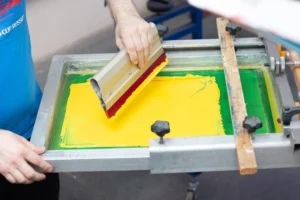
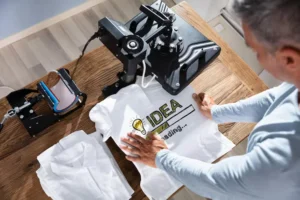
- Printing logos, text, symbols or product numbers.
- Allowing the ink to cure properly.
- Checking the finished print before packing.
Each step is equally important. If the surface is not clean, the ink may not stick properly. Proper preparation improves print quality and reduces the need for repeat work.
Why should you plan printing during the molding stage?
Companies that order custom plastic injection molding often focus on production time, plastic material, and mold design. But before production starts, they should also consider printing.
The ease of printing a logo or design can be influenced by the surface and shape of a plastic component. For a logo, for instance, a smooth surface might be preferable to one that is highly textured or uneven.
Businesses can make minor design adjustments before making the mold by planning ahead. This can facilitate printing and help prevent additional work down the road.
How can you prepare plastic surfaces for printing?
For successful printing, the surface must be clean. Ink adhesion can be damaged by dust, fingerprints, oil, and leftover impurities. Before sending parts for printing, companies that handle injection molding Colorado projects should inspect and prepare the surface. This includes removing oil and dust, letting components cool, and shielding them from moisture and dirt.
For the ink to adhere correctly, some plastic materials may also require surface treatment. These preparation techniques improve the printing surface and lessen typical issues like ink removal, uneven colors, and missing details.
How can you avoid delays between molding and printing?
Delays can occur when important information is missing. For example, the printing team must verify the material, design, and logo placement before starting the job. Clear communication between the molding and printing teams will help ensure timely project completion.
Before the project starts, provide all necessary information about the plastic materials used and the final design files. Send sample parts for testing and approve the print size, color, and placement.
Where are printed plastics commonly used?
Numerous industries use printed plastic components. Some include product details, symbols, or instructions, while others feature brand logos.
Typical instances consist of:
- Electronic equipment housed in plastic
- Control panels and buttons
- Containers, lids, and bottle caps
- Products for consumers bearing brand logos
- Measurement-marked tools and equipment
Regular use should maintain the clarity of the printed details. Depending on the product, they may endure handling, cleaning, sunlight, or repeated contact.
Reliable partners for molding and printing
Printing and custom injection molding Texas work best when planned together. Clear and durable designs can be produced with the help of early sample testing, appropriate ink, and proper surface preparation. Effective team communication also reduces delays and improves the finished product.
Pad Print USA provides pad printing for molded plastic parts and other products for companies seeking a trustworthy printing partner. The method helps companies create clean and consistent logos and markings, and it works well on small, curved, and textured surfaces.