When dealing with lightweight material, the use of marking systems is important to preserve readability without compromising the integrity of the surface. Printing on aluminum produces clear, sturdy logos and markings that withstand daily use while maintaining the material’s aesthetics. This method is useful for manufacturers of aircraft parts, consumer goods, medical devices, and industrial parts where accurate marking ensures reliability and performance.
How Does Printing on Brass Support Premium Product Identification?
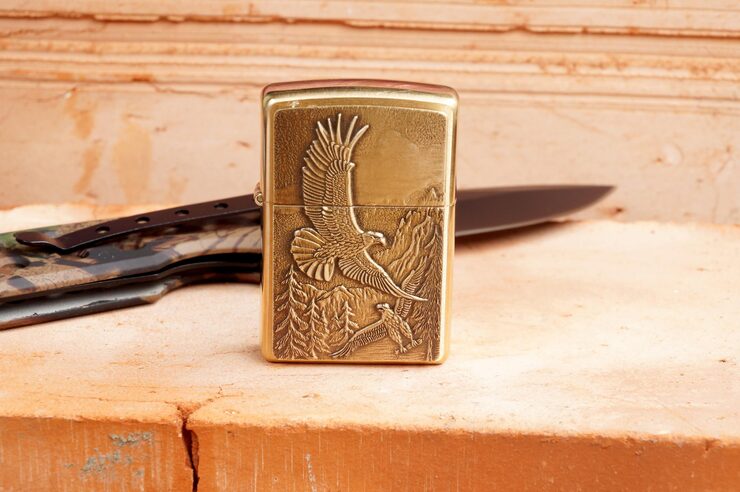
Brass items usually need markings that not only complement their shiny finish but are also clear. Printing on brass enables companies to mark items precisely with any number of labels or logos that are easily readable. This can improve the presentation of the items while ensuring they can be properly identified across various industries.
Why Is Printing on Stainless Steel Essential for Industrial Applications?
Marking systems used in industrial settings need to withstand moisture, chemicals, wear and tear, and heavy manipulation. The use of printing on stainless steel ensures lasting identification, even under harsh operating conditions. Businesses will enjoy reliable product identification that facilitates their quality management efforts. Additionally, precise printing protects the aesthetics of stainless steel products while still providing necessary information.
What Surface Preparation Steps Improve Printing Results?
Proper preparation is crucial for achieving good print consistency across various metal substrates.
- Ensure the surfaces are free of dirt or grease.
- Carry out inspections before manufacturing begins.
- Match the right ink with each surface.
- Ensure proper alignment of the artwork.
- Carry out inspection post printing.
With proper preparation, manufacturers can easily achieve good adhesion, low defect levels, and excellent print consistency regardless of batch size.
How Can Manufacturers Maintain Consistent Print Quality on Metal Components?
Reliable production depends on well-controlled processes that ensure all prints meet the set quality standards.
- Machine settings should be standardized before production begins.
- Check print registration during the entire process.
- Take samples regularly.
- Perform equipment maintenance as per the production schedule.
- Record results of quality control for future use.
Observance of these guidelines promotes reliable production and enables manufacturers to provide reliable marking solutions for different industrial metal products.
How Does Metal Printing Improve Product Traceability?
A reliable system of tracking requires a reliable process of identification. This means that an identification mark should be able to survive all steps of production and withstand any external impact without fading or becoming illegible. The process of metal printing enables companies to achieve exactly that – identification that will withstand even the most difficult working conditions. Identification of each product is crucial for inventory management, quality inspections, and proper maintenance, among other things, while also improving production efficiency.
What Makes Precision Printing Ideal for Complex Metal Components?
The metal parts tend to have concave shapes, indentations, and detailed designs that call for precise printing methods. Precision printing ensures clean prints, legible identification, and accurate placement without compromising the aesthetics or usability of the final product. The use of modern printing processes allows manufacturers to maintain consistency in production, whether producing prototypes or mass products, avoiding unnecessary material waste and time losses during manufacturing. High-quality printing contributes to branding efforts and enhances product durability. For more details, connect with Pad Print USA today.